
Piedmont’s surnames, people by people
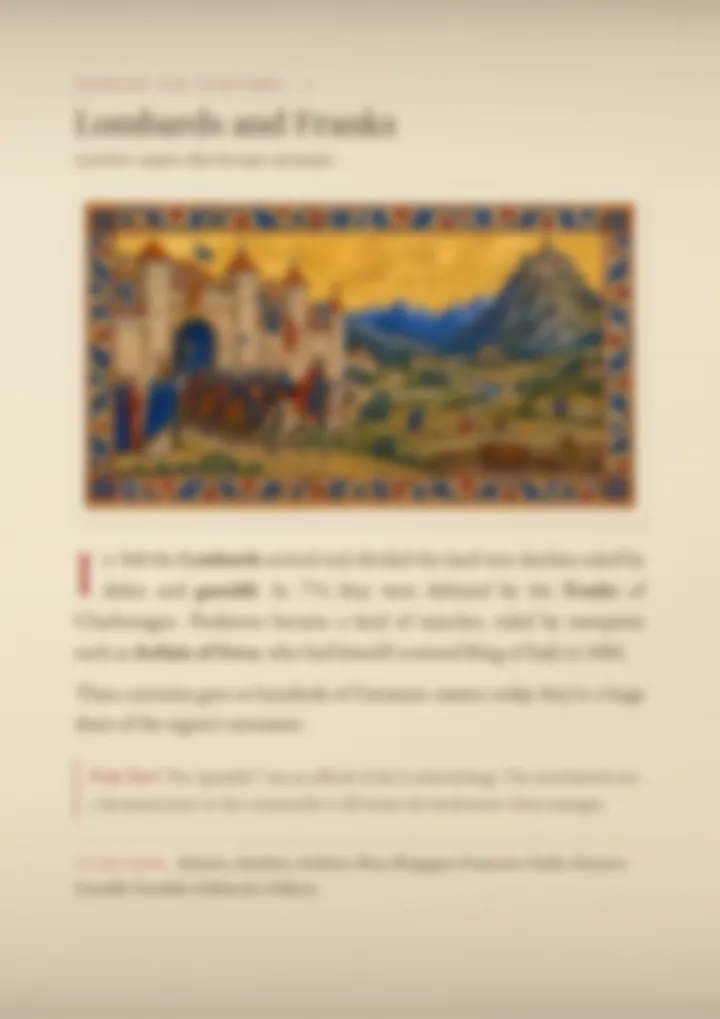
Before the Romans, Piedmont was a land of Ligurians and Celts. The Taurini lived in the plain of Turin, the Bagienni around Cuneo. Few of their words remain, like comba, the narrow valley, which gave the surname Comba. The Romans founded grid-plan cities, from Augusta Taurinorum, today’s Turin, to Eporedia, that is Ivrea. Latin became the basis of Piedmontese and of many surnames, like Balbo, Savio and Ferrero. In 568 the Lombards arrived, then Charlemagne’s Franks. From those centuries come hundreds of Germanic names, like Arduino, Aimone and Garnero, and Gastaldi recalls the gastaldo, the official of the Lombard kings.
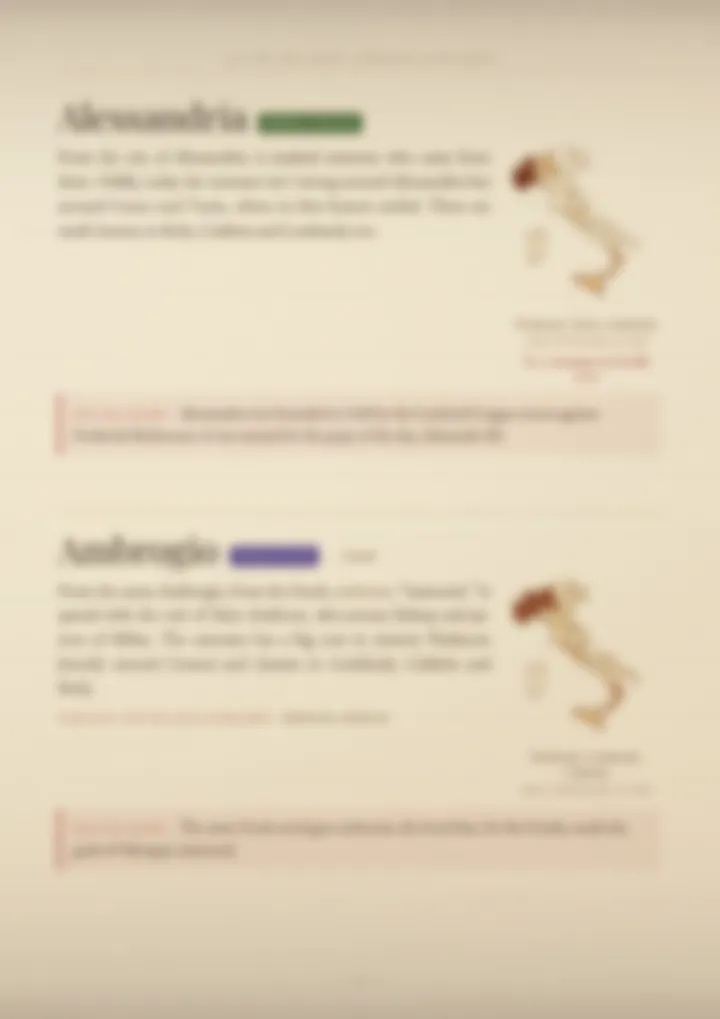
In the Middle Ages Piedmont was a patchwork of marquisates, like Saluzzo and the Monferrato, and of communes like Asti, Vercelli and Novara. Whoever moved took the name of the place they came from: that’s how Alessandria, Moncalvo and Pavese were born. At the court of the House of Savoy, which moved its capital to Turin in 1563, notaries wrote surnames the Latin way. From them come the attached De and the final -is. In the valleys around Cuneo and Pinerolo, Occitan is still spoken, and Arnaudo, Rostagno and Rey carry its mark. Between Vercelli and Novara lie the rice fields, the land of Bobba and Perucca. In the 20th century families came from Veneto and then, drawn by the factories of Turin, hundreds of thousands of people from the South. But Bruno, Bianco, Gallo and Franco had already been Piedmontese for centuries.
The volume gives a chapter to each of these ten peoples and stories. They include the Walser of Monte Rosa and the Jews of Casale and Turin. For each one it lists the surnames in the book that carry its mark, and says when none made it into the 300.
How to recognize a Piedmontese surname
Some signs are easy to spot. The final -ero is the signature of the trades: Ferrero is the blacksmith, Cordero the rope maker, Bottero the cooper. The diminutive in -ino is typical of the region: Bertino, Baudino, Giachino. Then there’s De attached to the name, with the notaries’ Latin -is. Demichelis, Destefanis and Depetris mean “of the family of Michele, of Stefano, of Pietro.” That’s why in Piedmont you find Caligaris and Forneris where elsewhere there are Calligari and Fornari.
In the towns of Piedmont, it’s often the family nickname that tells apart two families with the same surname. It’s the same mechanism that, centuries ago, gave birth to surnames.
Province by province
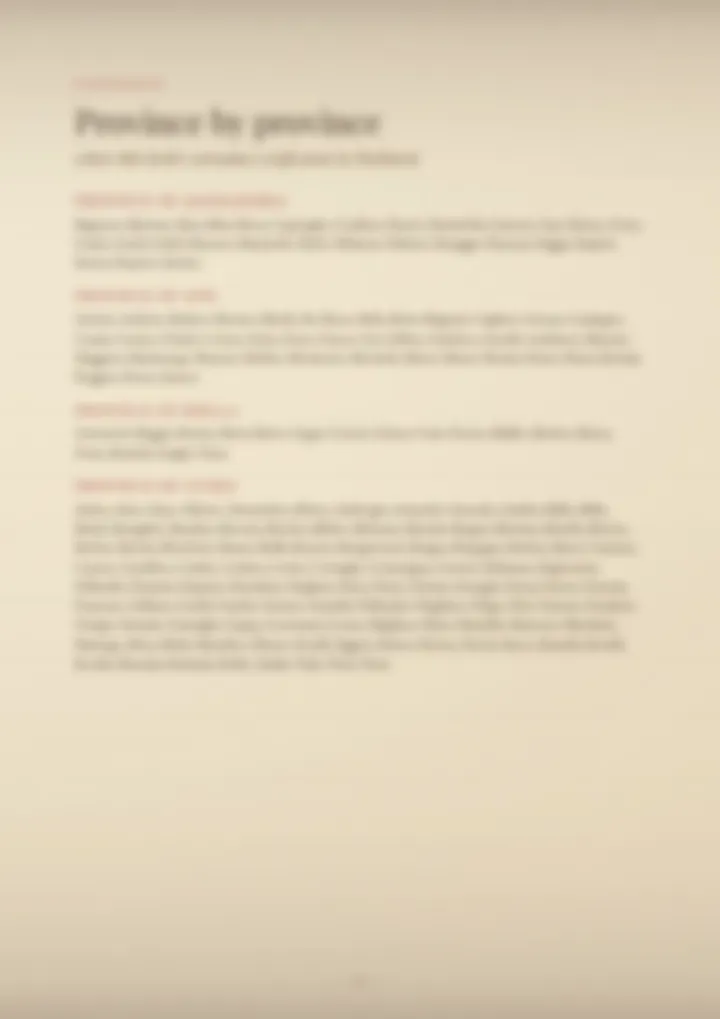
At the back of the volume an index gathers, province by province, the surnames that weigh most there. There are 288 surnames from the book, spread across the eight provinces from Alessandria to Vercelli. Then comes the list of the 146 Piedmontese towns where a surname from the book is the most common. In Turin, for example, No. 1 is Ferrero, the blacksmith.
Is your surname in the volume?
Type it below: we'll tell you right away if it's there, and in which volume.
- Actis
- Aimone
- Alessandria
- Ambrogio
- Amerio
- Anselmo
- Arduino
- Armando
- Audisio
- Bagnasco
- Baima
- Balbo
- Balocco
- Barale
- Barberis
- Barbero
- Barisone
- Baudino
- Beccaria
- Bellino
- Beltramo
- Benedetto
- Bergese
- Bersano
- Berta
- Bertero
- Bertino
- Bertola
- Bertolino
- Bertolotto
- Bertone
- Bessone
- Bianciotto
- Bianco
- Bisio
- Bo
- Bocca
- Boero
- Boffa
- Boggio
- Bolla
- Bona
- Bonetto
- Bongiovanni
- Bonino
- Borello
- Borgna
- Borgogno
- Borio
- Borra
- Bosco
- Bosso
- Botta
- Bottero
- Botto
- Bovio
- Bracco
- Brero
- Bruno
- Brusa
- Busso
- Cane
- Capello
- Cappa
- Carena
- Caretti
- Casetta
- Castagno
- Cavallero
- Cena
- Cerrato
- Cerruti
- Cerutti
- Coda
- Comba
- Coppo
- Cordero
- Corino
- Cortese
- Costamagna
- Cravero
- Dalmasso
- Demaria
- Demichelis
- Destefanis
- Dotta
- Durando
- Dutto
- Enrico
- Fantino
- Fassio
- Fenoglio
- Ferraris
- Ferrero
- Fissore
- Fornara
- Fornero
- Forno
- Franco
- Gai
- Gaido
- Galliano
- Gallo
- Garelli
- Gariglio
- Garino
- Garnero
- Garrone
- Gastaldi
- Gastaldo
- Ghigo
- Ghio
- Ghione
- Giaccone
- Giachino
- Giacosa
- Giai
- Gianotti
- Gili
- Gilli
- Giordana
- Giraudo
- Gonella
- Grosso
- Guglielmetti
- Icardi
- Ivaldi
- Lanfranco
- Lovera
- Macario
- Magliano
- Maina
- Mana
- Mancin
- Marchisio
- Marenco
- Marengo
- Maritano
- Marocco
- Masoero
- Massa
- Merlo
- Miglio
- Milanese
- Milano
- Mina
- Molino
- Mollo
- Mondino
- Monticone
- Morando
- Mosca
- Mosso
- Musso
- Nicola
- Novara
- Oberto
- Panero
- Pavese
- Penna
- Perino
- Perotti
- Piana
- Piovano
- Poggio
- Pons
- Pozzo
- Prato
- Racca
- Ramella
- Rapetti
- Ravera
- Regis
- Repetto
- Revello
- Ricca
- Rinaudo
- Rivoira
- Roggero
- Rolando
- Rolfo
- Rolle
- Ronco
- Rosso
- Rostagno
- Ruffino
- Sacco
- Saracco
- Savio
- Scaglia
- Siviero
- Tuninetti
- Varetto
- Vercelli
- Viale
- Viano
- Vietti
- Vigna
- Vittone
- Zanetta
- Abba
- Aimar
- Aime
- Aimo
- Alberto
- Allione
- Ambroggio
- Antoniotti
- Arnaudo
- Bagnati
- Balla
- Baravalle
- Battaglino
- Bava
- Becchio
- Berardo
- Bertaina
- Bertello
- Bertinetti
- Bertinotti
- Bertolone
- Binello
- Bionda
- Boasso
- Bobba
- Bozzola
- Brignolo
- Brizio
- Bruna
- Cagliero
- Caligaris
- Canavese
- Caprioglio
- Carosso
- Casalegno
- Castellino
- Cauda
- Chiarle
- Clerico
- Cornaglia
- Davico
- Degiovanni
- Dellavalle
- Demarchi
- Depetris
- Dogliani
- Favro
- Ferrua
- Forneris
- Franchino
- Francone
- Frola
- Gallino
- Garella
- Garello
- Gattoni
- Gay
- Genta
- Ghibaudo
- Ghigliano
- Giorgis
- Gioria
- Gotta
- Gramaglia
- Gualco
- Lingua
- Lisa
- Lorenzatto
- Lusso
- Maffeo
- Maggiora
- Mandrile
- Manzone
- Martinengo
- Mazzarello
- Moncalvo
- Morino
- Occelli
- Oddone
- Oggero
- Passaggio
- Peirone
- Perucca
- Piacenza
- Pilone
- Ragazzoni
- Ramello
- Raviola
- Revelli
- Rey
- Semino
- Suppo
- Tarditi
- Usseglio
- Vallero
- Valsesia
- Vercellino
- Viana
- Vignolo
- Vinai
Surnames in red also have their own booklet.
FAQ
Is my surname in the volume?
The full list of the 300 surnames is on this page. If yours isn’t there, request it through our contact page: new booklets come from the most requested surnames.
How is it different from the volume on Northern Italy?
The Northern Italy volume picks 300 surnames from eight regions. This one is devoted to Piedmont alone: ten chapters on the region’s peoples and stories and, when there is one, each surname’s Piedmontese record. 46 surnames are in both: the other 254 you’ll find only here.
Will I find the surnames of my province?
At the back of the volume an index gathers, province by province, the surnames that weigh most there. There are 288 surnames from the book, spread across the eight provinces from Alessandria to Vercelli, not just Turin. There’s also the list of the 146 Piedmontese towns where a surname from the book is the most common.
What’s the difference between the volume and a surname booklet?
In the volume each surname has a half-page entry: origin, map, variants and a fun fact. The booklet is devoted to a single surname and tells its story, its towns and its distribution in 12-19 pages. It also has a family tree and a scroll made out to that surname.
Does the volume tell me who my ancestors were?
No. A surname tells you where a word comes from, and two families with the same surname can have completely different stories. At the back of the volume there’s a guide to searching for your ancestors in the archives, free and from home. The tips are for Piedmont, where civil registration already existed under Napoleon, from 1804 to 1814, and became permanent from 1866.
Does the volume include my surname’s coat of arms?
No, because a surname has no coat of arms. A coat of arms belonged to one specific branch of a family, not to everyone who carries the surname. When a fun fact mentions one, the entry says which family it belonged to.
What if scholars disagree about the origin?
We tell you. When an origin is certain, it’s written as certain. When it isn’t, the entry carries the gray “disputed origin” badge and gives you the theories.
Can I print it?
Yes, for personal and family use: you can print it for yourself and your relatives.


